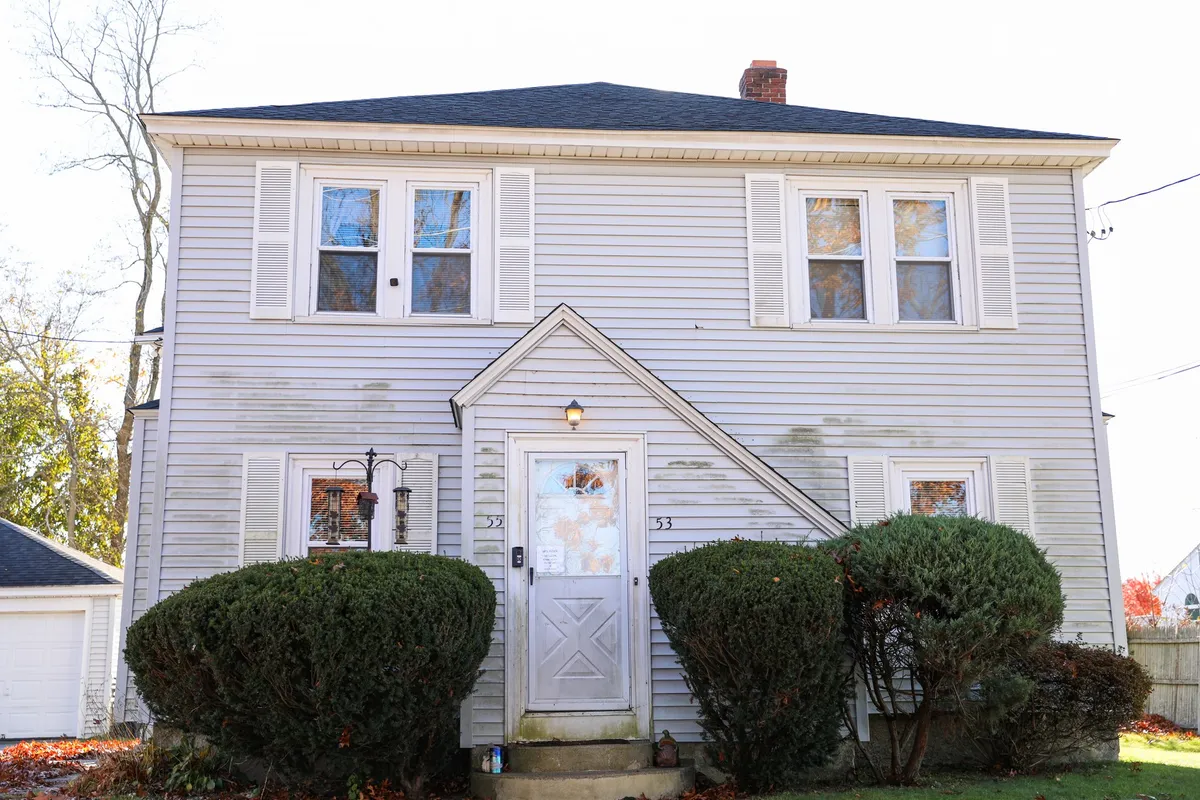
When couples decide to split up and need to sell house divorce Seattle proceedings have already made complicated enough, the last thing anyone wants is a drawn-out real estate process piled on top of everything else. The family home is often the biggest shared asset, and the most emotionally loaded one. Getting it sold cleanly, fairly, and fast matters more than most people realize until they’re right in the middle of it.

The House Doesn’t Care About Your Timeline, But Buyers Do
One of the first hard truths divorcing homeowners face is that the traditional listing process wasn’t designed for their situation. Open houses, staging, waiting on financing approvals, negotiating repairs, all of that takes time. Months, sometimes. When two people are trying to separate their lives and move forward, every extra week the house sits on the market is another week of shared bills, shared decisions, and shared stress.
Seattle’s housing market has its own rhythm. Inventory fluctuates, buyer demand shifts with the seasons, and interest rates have kept plenty of would-be buyers on the sidelines. A home that might have sold in two weeks a couple of years ago could sit for six to eight weeks today before the right offer lands. That’s a long time to stay financially and legally entangled with someone you’re trying to separate from.
For couples who need a clean break on a defined schedule, selling a house during a divorce in Seattle through a cash buyer is often the more practical path. No open houses, no waiting on mortgage approvals, no last-minute buyer cold feet. Many homeowners who’ve gone this route describe the relief of having a firm closing date they could actually plan around.
When Both Names Are on the Deed, Everything Gets Complicated
Washington is a community property state. That means the home you bought together, regardless of who made the payments, who handled the repairs, or who actually lived there, belongs equally to both of you. Neither spouse can unilaterally list the property, accept an offer, or sign closing documents without the other’s agreement.
This is where divorces that start out amicable can get messy fast. If one spouse wants to sell quickly and the other wants to hold out for a higher price, you’ve got a standoff. If one spouse is still living in the home and the other isn’t, the motivations are completely different. And if communication has broken down entirely, even scheduling a showing can turn into a negotiation.
Working with a buyer who moves quickly and doesn’t require the home to be in showroom condition removes a lot of the friction. There’s no debate about which repairs to make, no arguments about staging choices, and no disagreement about which weekend to hold an open house. You agree on a number, both sign, and it’s done. That simplicity has real value when the rest of the situation is anything but simple.
It’s also worth talking to a family law attorney early, not just a real estate agent. The proceeds from the sale will likely need to be divided according to your divorce agreement, and having that framework in place before closing prevents disputes about where the money goes.
The Hidden Costs That Eat Into What You Walk Away With
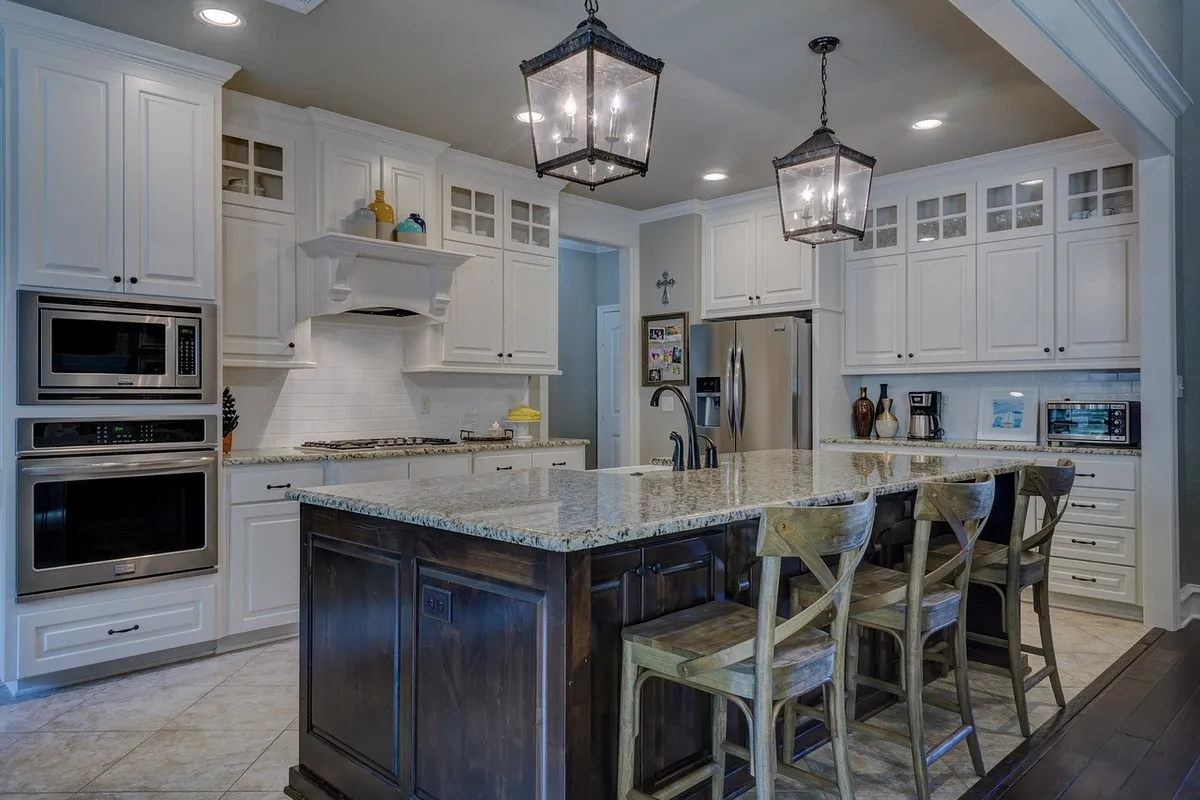
People often focus on the sale price and forget about everything that comes out of it before the check gets split. A traditional sale in Seattle typically involves a real estate commission of around five to six percent, plus closing costs, potential repair credits demanded by buyers, and carrying costs while the home sits on the market, mortgage payments, property taxes, utilities, insurance.
Run those numbers on a $700,000 Seattle home and you’re looking at $40,000 or more in transaction costs before you’ve even started dividing the equity. That’s money that could go toward two separate fresh starts instead of into the pockets of agents and repair contractors.
A cash sale typically means no commissions, no repair demands, and a much shorter carrying period. The offer may come in below full retail value, but when you factor in what you’re not spending, the net difference is often smaller than people expect. Selling your house for cash in Seattle is worth running the actual numbers on before assuming the traditional route puts more money in your pocket.
Moving Forward Means Actually Moving Forward
There’s a psychological dimension to this that doesn’t get talked about enough. The family home carries memories, good ones and painful ones. Every month it stays on the market is another month neither person can fully close that chapter. Homeowners who’ve worked with local cash buyers in Seattle often say the same thing: they didn’t realize how much the lingering sale was holding them back emotionally until it was finally done.
The team at Sell Home Fast Seattle works specifically with homeowners in complicated situations, divorce, inherited properties, financial pressure, homes that need work. They understand that speed and certainty often matter more than squeezing out every last dollar, and they’ve helped plenty of Seattle homeowners get to the other side of a difficult transition without the added burden of a prolonged sale.
If you’re in this situation, the most useful thing you can do right now is get informed. Understand your options, know what your home is actually worth in today’s market, and get a realistic picture of what a cash offer versus a traditional listing would actually net you. The decision gets a lot clearer once you’re working with real numbers instead of assumptions.
Frequently Asked Questions
How long does it typically take to sell a home through a traditional listing during a divorce in Seattle?
In the current Seattle market, a traditionally listed home can sit for six to eight weeks before the right offer comes in, and that’s before you factor in inspections, financing contingencies, and potential repair negotiations. For divorcing couples, that timeline means more months of shared mortgage payments, shared utility bills, and shared decision-making with someone you’re trying to separate from. A cash sale can compress that entire process into a firm closing date you can actually plan your next steps around.
Does it matter whose name is on the mortgage versus the deed when we’re trying to sell during a divorce in Seattle?
Washington is a community property state, so what matters most is the deed, if both names are on it, both spouses have to agree to list, accept an offer, and sign closing documents, regardless of who made the mortgage payments or who’s been living there. Neither spouse can move forward unilaterally, which is why a standoff over price or timing can stall everything. Getting a family law attorney involved early, before you even contact a buyer, helps establish the framework for how proceeds get divided so there’s no dispute at the closing table.
On a $700,000 Seattle home, what are the actual costs of going the traditional listing route during a divorce?
The article puts it plainly: commissions alone run five to six percent, and when you add closing costs, repair credits buyers demand, and carrying costs while the home sits on the market, mortgage, taxes, utilities, insurance, you’re looking at $40,000 or more coming out before the equity even gets split. That’s money that could fund two separate fresh starts instead of going to agents and contractors. A cash offer may come in below full retail, but the net difference after those deductions is often smaller than most people assume.
What happens if one spouse wants to sell fast and the other wants to hold out for a higher price?
That disagreement is exactly the kind of standoff the article warns about, and it’s one of the most common ways a manageable situation turns complicated. When both names are on the deed, neither person can force the sale or accept an offer without the other’s signature. Working with a cash buyer removes a lot of the friction points that fuel that debate, since there’s no back-and-forth about repairs, staging, or open house weekends, just a number you both agree on or don’t.
Do we need to fix up the house before selling it during a divorce, or can we sell it as-is?
A traditional listing in Seattle typically means buyers will request repairs or credits after inspection, which opens up another round of joint decisions between two people who are trying to stop making joint decisions. A cash buyer generally purchases the home in its current condition, so there’s no debate about which contractor to hire, how much to spend, or which repairs are worth doing. That removes one of the more friction-heavy parts of the process at a time when keeping things simple has real value.
🎧 Listen to this as a podcast
Also on Apple Podcasts, Spotify, and Amazon Music.